Let’s Talk About IMS: How It Helps You Feel Better and Move Freely Again
Have you ever had that tight spot in your neck or back that just won’t relax, no matter how much you stretch, rest, or massage it?
We hear this all the time from our patients and honestly, we get it. Living with that kind of chronic tension or nerve pain can be exhausting.
That’s where IMS (Intramuscular Stimulation) comes in. It’s one of those treatments that sounds a bit technical at first, but once you understand how it works, it makes perfect sense.
So… what exactly is IMS?
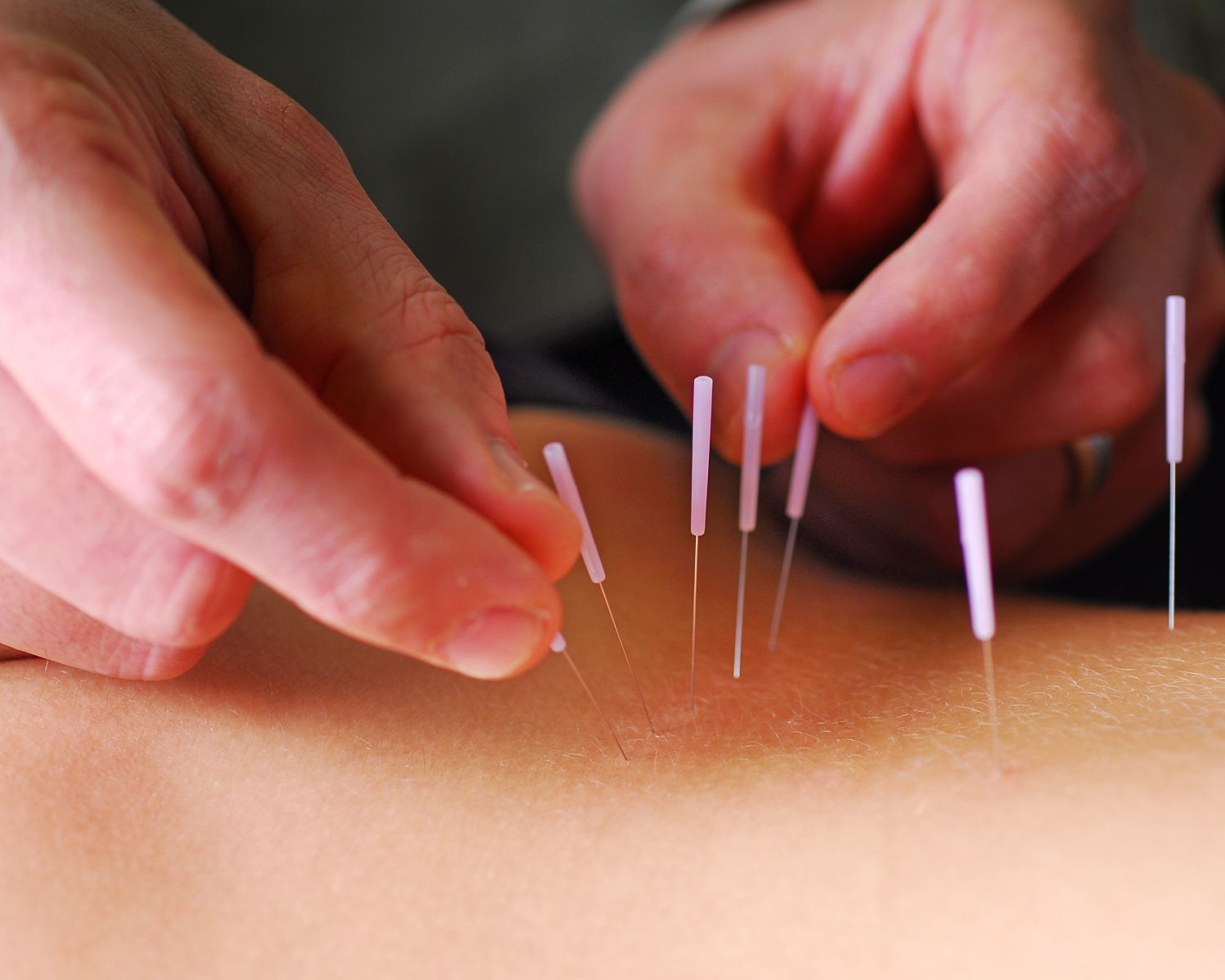
Think of IMS as a way to “reset” your muscles. When a nerve isn’t working quite right, the muscles it controls can get tight, sore, and sensitive. IMS uses a very fine, sterile needle, kind of like an acupuncture needle,to reach those tight muscles and help them relax.
The technique was developed by Dr. Chan Gunn, and unlike traditional acupuncture, IMS is based on modern medical science and anatomy.
When your physiotherapist gently inserts the needle, you might feel a small twitch or deep ache and that’s actually a good sign! It means the muscle is responding and starting to release.
How does it work?
Here’s the simple version:
IMS helps “wake up” the nerve-muscle connection that’s been causing trouble. It:
Releases tension in tight muscles.
Boosts blood flow, which helps the area heal.
Calms irritated nerves, reducing pain signals.
It’s a bit like rebooting a computer, only instead of fixing software, we’re helping your body’s natural systems get back on track.
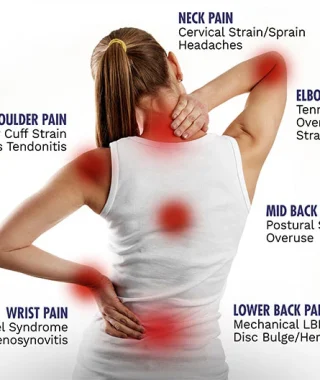
What kinds of pain does IMS help with?
We often recommend IMS for people who’ve tried everything else — stretching, massage, even rest — and still can’t shake their pain. It can help with:
Lower back or neck pain
Shoulder or hip tightness
Sciatica
Tennis or golfer’s elbow
Headaches linked to neck tension
That general feeling of stiffness you can’t stretch away
If your pain feels “stuck,” IMS might be what finally gets it moving again.
What’s it like to get IMS?
The session starts with your physiotherapist checking how you move — looking for tight areas, limited range of motion, and muscle imbalance. Then, they’ll use those tiny needles to target the problem spots.
You’ll probably feel a quick twitch or deep ache for a moment, and then the muscle starts to release. Afterward, you might feel a bit tender (like you worked out), but that usually fades quickly — and then you feel looser, lighter, and more mobile.
Is IMS right for you?
If you’ve been putting up with pain that just won’t quit, it might be time to try something different. Our physiotherapists at North Shore Sports Medicine will walk you through whether IMS makes sense for your situation. Often, we combine it with hands-on therapy, exercise, and movement retraining because lasting relief usually comes from treating the whole picture, not just one piece.
Let’s get you feeling better
Pain doesn’t have to be part of your everyday life. If you’re curious about IMS or wondering if it could help you, we’d love to chat.
You can book an appointment online at nssm.ca
or just give us a call — we’re happy to answer your questions and help you get moving again.