A New Solution for Chronic Tendon and Soft Tissue Pain
Chronic pain from tendon and soft tissue injuries can significantly limit daily activities, work, and recreational pursuits. Residents of North Vancouver, known for their active lifestyles involving hiking, running, paddling, and other outdoor sports, frequently encounter overuse injuries that resist conventional treatments such as rest, physiotherapy, or medication.
Shockwave Therapy
Shockwave Therapy, also known as Extracorporeal Shock Wave Therapy (ESWT), offers a clinically supported, non-invasive option for individuals experiencing persistent musculoskeletal pain. At North Shore Sports Medicine (NSSM) in North Vancouver, this advanced modality is integrated into comprehensive, multidisciplinary care plans to accelerate healing and restore function.
What Is Shockwave Therapy?
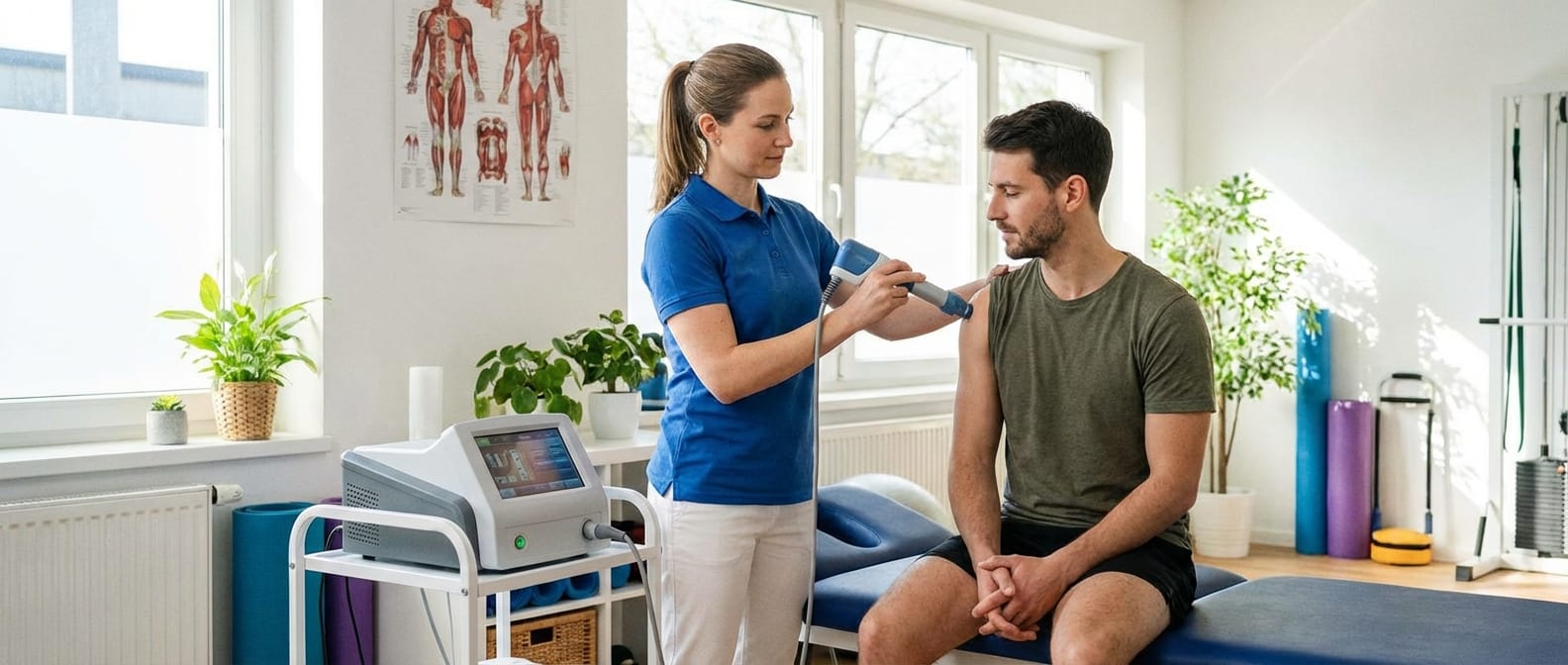
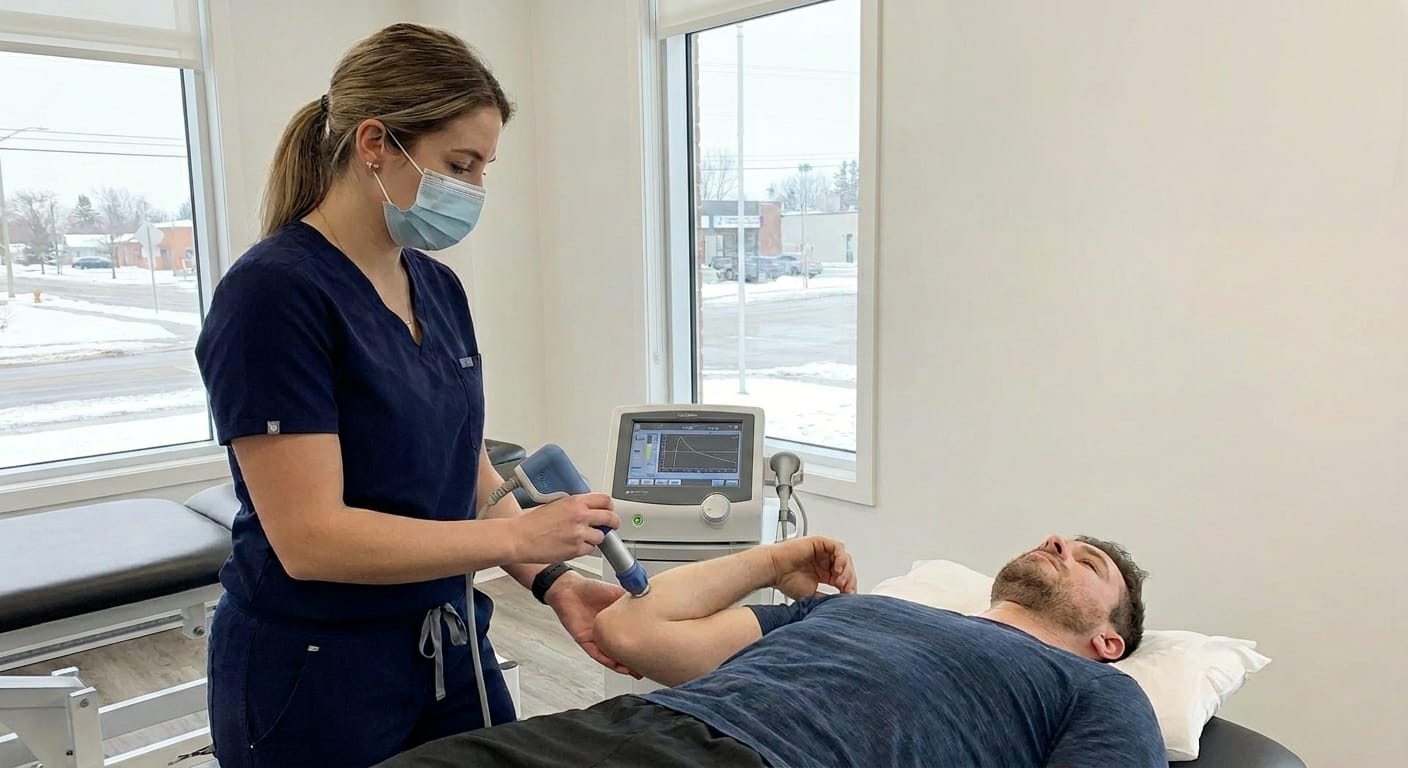
Shockwave therapy delivers high-energy acoustic (sound) waves to targeted areas of the body through a handheld applicator. These waves create mechanical pressure that interacts with tissues at a cellular level.
The treatment stimulates several physiological responses:
- Increased blood flow
- Enhanced collagen production and tissue regeneration
- Breakdown of calcifications
- Modulation of pain pathways
Unlike surgical interventions or injections, shockwave therapy requires no incisions, anesthesia, or extended recovery periods. It is typically administered as part of a broader physiotherapy or rehabilitation program.
How Shockwave Therapy Works
The acoustic waves produce both direct mechanical effects and secondary biological responses. These include:
- Stimulation of cellular activity and growth factor release
- Improved microcirculation and nutrient delivery to injured tissues
- Reduction of chronic inflammation
- Disruption of pain signals and promotion of natural analgesic effects
This combination of effects is particularly valuable for chronic tendinopathies and fasciopathies, where natural healing processes have stalled. Clinical research supports its use in conditions that have not responded adequately to conservative management after several months.
Conditions Commonly Treated with Shockwave Therapy
Shockwave therapy is effective for a range of musculoskeletal conditions prevalent in active populations. Common indications include:
- Plantar fasciitis and chronic heel pain
- Achilles tendinopathy
- Tennis elbow (lateral epicondylitis) and golfer’s elbow (medial epicondylitis)
- Rotator cuff tendinopathy and calcific shoulder tendinitis
- Patellar tendinopathy (jumper’s knee)
- Gluteal tendinopathy and greater trochanteric pain syndrome
- Shin splints and medial tibial stress syndrome
- Chronic myofascial trigger points and select soft tissue injuries
Treatment suitability is determined through a thorough clinical assessment. NSSM practitioners evaluate each patient’s history, symptoms, and functional goals to confirm appropriateness and integrate shockwave therapy within a personalized plan.
Key Benefits of Shockwave Therapy
Patients and clinicians value shockwave therapy for several reasons:
- Non-invasive and drug-free — No surgery, needles, or reliance on long-term medication.
- Minimal downtime — Most individuals resume normal activities immediately or shortly after sessions.
- Accelerated healing — Particularly beneficial for chronic conditions unresponsive to standard physiotherapy or rest.
- Time-efficient sessions — The shockwave component typically lasts 5–15 minutes; full appointments are often 20–30 minutes.
- Complementary care — Easily combined with manual therapy, exercise prescription, massage, or other services offered at NSSM.
- Favorable outcomes — Many patients report meaningful pain reduction and functional improvement within a course of 3–6 sessions.
What to Expect During Treatment at NSSM North Vancouver
At North Shore Sports Medicine, shockwave therapy is delivered by qualified practitioners using state-of-the-art equipment within a multidisciplinary clinical setting. The process generally follows these steps:
- Initial Assessment — Comprehensive evaluation to confirm diagnosis and rule out contraindications.
- Treatment Session — A conductive gel is applied to the skin. The practitioner uses the applicator to deliver controlled acoustic waves to the affected area. Patients may experience a tapping or deep-pressure sensation; discomfort is usually mild and tolerable.
- Post-Treatment Guidance — Advice on activity modification, home exercises, and follow-up scheduling. Mild soreness for 24–48 hours is common and typically resolves quickly.
A standard course involves 3 to 6 sessions, spaced approximately one week apart. Progress is monitored, and the plan is adjusted as needed. Treatment is often combined with active rehabilitation to optimize long-term outcomes.
Note: Shockwave therapy is not suitable for everyone. Contraindications may include pregnancy, certain cancers, infections, blood clotting disorders, or the presence of a pacemaker in the treatment area. A qualified practitioner will conduct appropriate screening.
Why Choose North Shore Sports Medicine for Shockwave Therapy in North Vancouver?
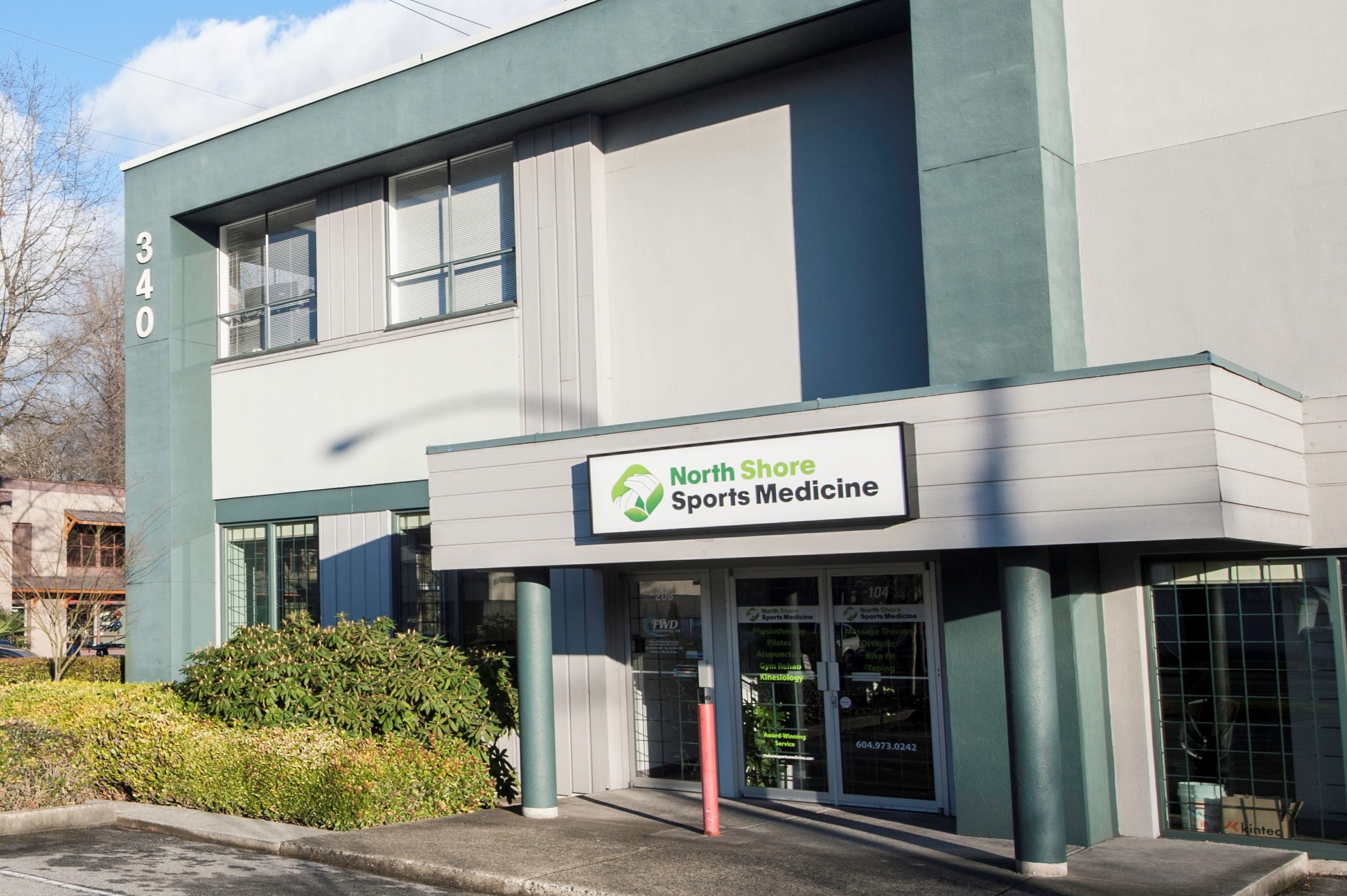
NSSM has served the North Shore community for over 40 years, offering physiotherapy, registered massage therapy, chiropractic care, and additional services across two convenient locations (Brooksbank and Deep Cove). Their clinics are equipped with modern technology, including shockwave therapy, as part of an integrated approach to musculoskeletal health.
Patients benefit from:
- Experienced, collaborative clinical teams
- Individualized treatment plans
- Convenient access to complementary services under one roof
- A focus on evidence-informed, patient-centered care
For detailed information about shockwave therapy services at NSSM, please visit the dedicated service page: Shockwave Therapy North Vancouver.
Frequently Asked Questions
How many sessions will I need?
Most patients require 3–6 sessions, though this varies based on the condition, severity, and individual response.
Does shockwave therapy hurt?
The sensation is often described as intense but tolerable—similar to a deep tissue massage or rapid tapping. Discomfort levels are managed by adjusting intensity during the session.
When will I notice results?
Some patients experience improvement after the first or second session. Optimal benefits typically develop progressively over the course of treatment and in the weeks following completion.
Is shockwave therapy covered by insurance?
Coverage varies by extended health benefit plans. NSSM staff can assist with questions regarding billing and direct billing options where available.
Can shockwave therapy be combined with other treatments?
Yes. It is frequently integrated with physiotherapy, exercise therapy, manual techniques, and other modalities for comprehensive care.
Take the Next Step Toward Recovery
If you are experiencing persistent tendon or soft tissue pain that has not resolved with standard approaches, shockwave therapy may be an appropriate addition to your care plan. The team at North Shore Sports Medicine in North Vancouver is equipped to assess your condition and determine the most suitable treatment pathway.