When most people think about avoiding injuries our brains often go to stretching or strength training. But did you know that there is one easy (and oftentimes neglected) tool that plays an enormous role in keeping your body injury-free? Keep reading to learn more about why staying hydrated is an important part of injury prevention.
Why Hydration Matters for Your Muscles
Water does a great deal more than just satisfying your thirst. It helps keep your muscles limber and your joints gliding smoothly. Here are some reasons why hydration is important to injury prevention:
- It keeps your muscles elastic and able to stretch without tearing.
- It lubricates your joints, minimizing friction and stiffness.
- It enhances blood flow, allowing oxygen and nutrients to travel more easily to your muscles.
- It helps your body regulate temperature, especially when you’re exercising or spending time outdoors.
How Dehydration Raises Your Injury Risk
When you’re dehydrated, a few things start to happen:
- Muscle tissues become more rigid, making them more prone to small tears or strains.
- Fatigue sets in earlier, so your form and technique can be affected. That’s when the injuries are likely to occur.
- Your muscles lose valuable electrolytes (like sodium and potassium), so muscle cramps are more probable.
- Your coordination and reaction time decrease, increasing your chances of clumsy moves or falls.
It’s not just an issue for competitive athletes. Weekend walkers, recreational runners, and even physically demanding workers can all be at risk.
When Are You Most Likely to Become Dehydrated?
Some conditions will put you at more risk than others:
- Exercising in hot, humid temperatures.
- Playing sports tournaments where you have a number of games played consecutively.
- Starting a workout already deficient in fluids.
- Having alcohol or high amounts of coffee before exercising.
- Working in a lot of heavy gear or protective equipment, which leads to excessive sweat loss.
If any of these sound familiar, it’s even more important to pay attention to how much water you drink.
How Much Water Do You Actually Need?
Everybody is different and will require different hydration needs, but these are some general guidelines for staying hydrated:
- On regular days (no exercise): Drink 2–3 litres of water.
- Before exercising: Consume around 500 ml (about 2 cups) 1–2 hours prior to exercising.
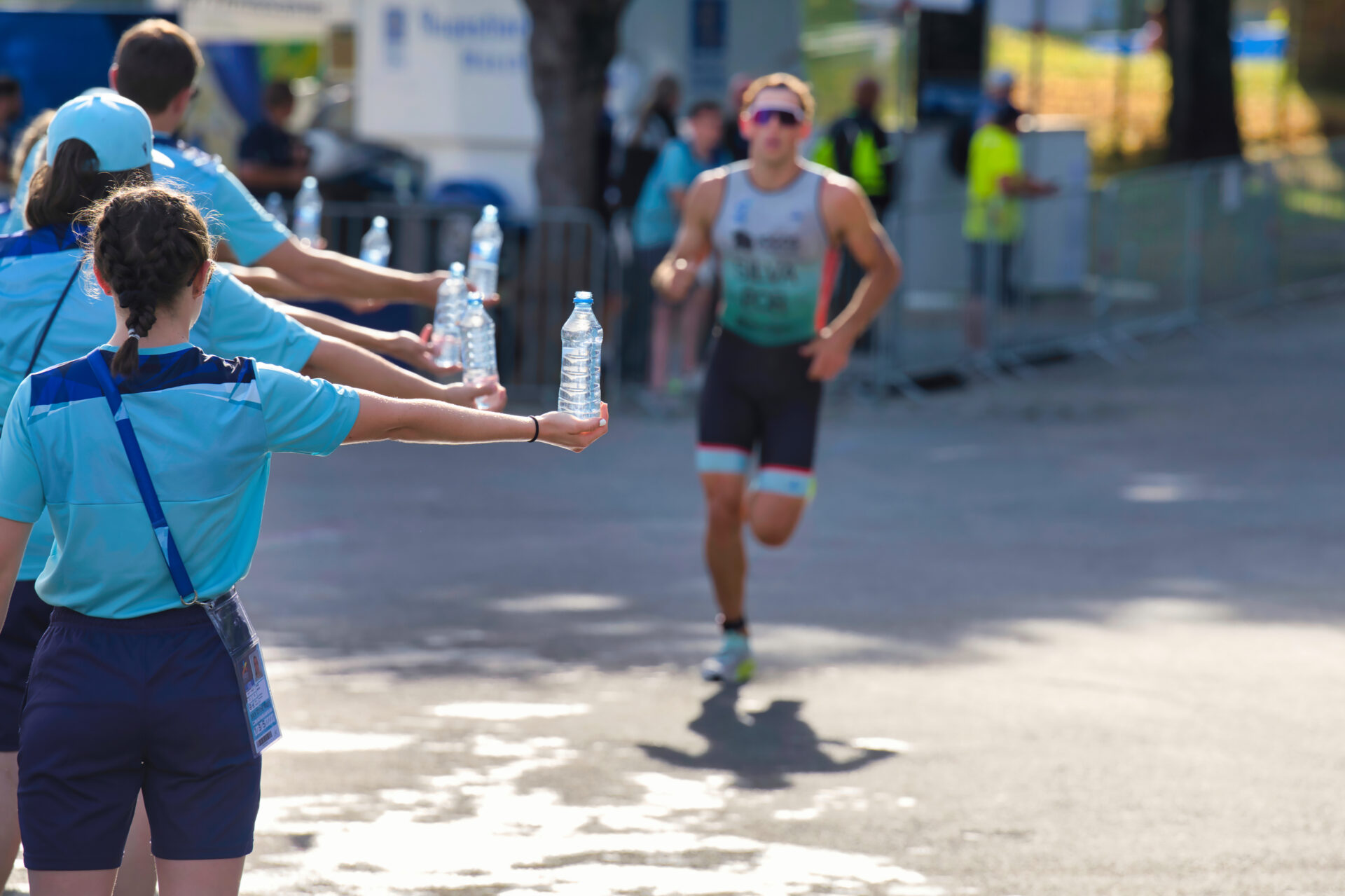
- During exercise: Sip small amounts regularly—about 150 to 250 ml every 15–20 minutes.
- After exercise: Rehydrate with at least 500 ml within the first 30 minutes, and more if you’ve sweated heavily.
Easy Tips for Staying Hydrated
Read our blog on Hydration Hacks, written by our registered dietitian Bettina Mackenbach
Felt Muscle Tightness or Cramps? This is What to Do
If you’ve been experiencing tight muscles, cramping, or recurring strains, hydration could be part of the issue—but not the only one. Our team at NSSM can help you figure out what’s going on.