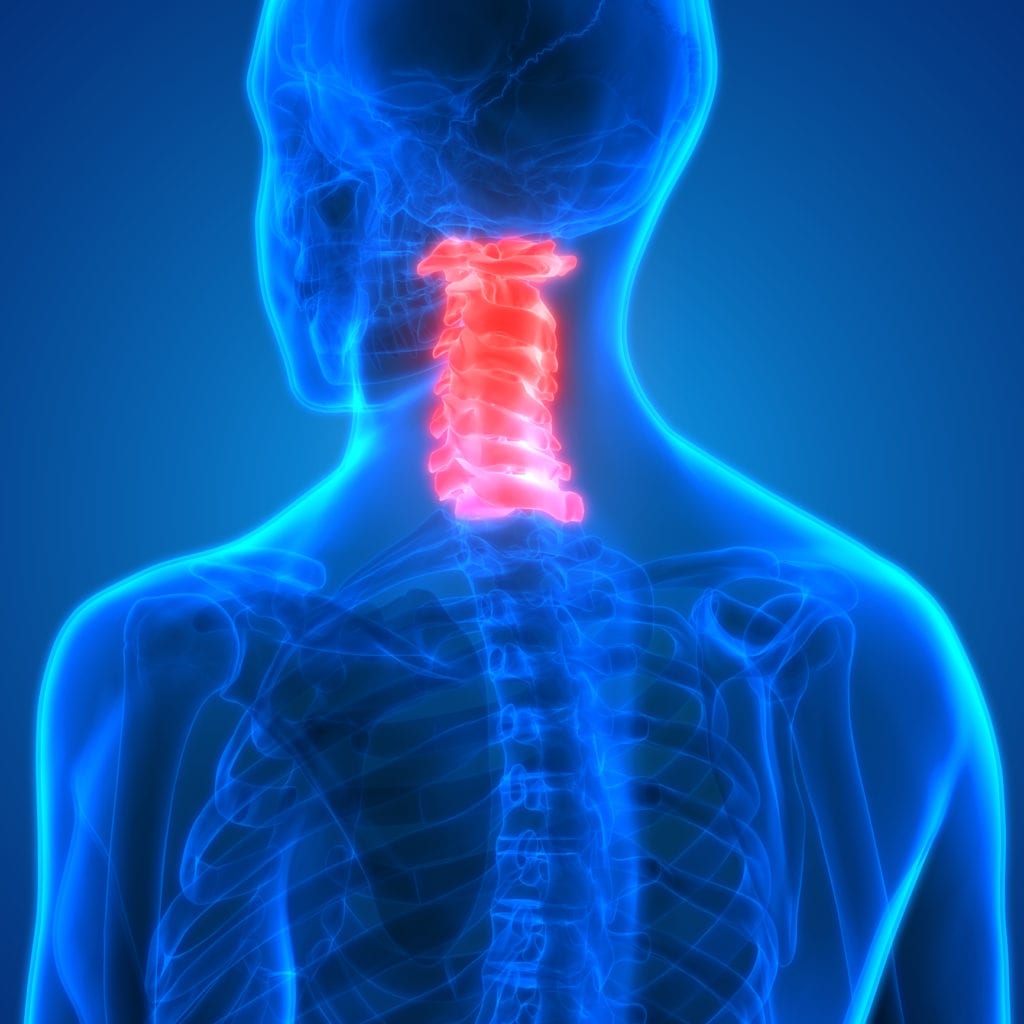
The cervical spine, formed by seven vertebrae running down the neck region, is a complex structure that ensures strength, flexibility, and protection of the spinal cord. In any case, due to its complicated structure and perpetual motion, it exposes itself to varieties of injuries and pathologies that cause pain. In this blog post, we will explore the anatomy of the cervical spine, some common pathologies that affect it, and how a multi-disciplinary approach—by physiotherapists, massage therapists, chiropractors, kinesiologists, and acupuncturists—is very useful for pain management.
Anatomy of the Cervical Spine
The cervical spine is a complex structure comprising bones, joints, muscles, ligaments, and nerves, all functioning together to support the head and provide movement. Briefly, these key components are represented as follows:
- Vertebrae: There are seven cervical vertebrae labeled C1 through C7; C1 is the closest to the skull, whereas C7 is the furthest down on the neck.
- Intervertebral discs: These shock absorbers are interposed between the vertebrae and provide some amount of cushioning, allowing for smooth movement. This is the intervertebral disc.
- Facet joints: Located at the back of each vertebra, they allow bending and twisting of the spine and also maintain its stability.
- Muscles and ligaments: Multiple muscles and ligaments support and stabilize the cervical spine, which makes motion possible while preventing extreme stress.
Common Injuries and Conditions
Resilient as it is, the cervical spine still falls prey to injuries and degenerative diseases, including:
- Whiplash: It is caused when a jerking acceleration/deceleration force is involved—which the impact of car accidents may lead to—and may result in neck aches, stiffness, and a limited range of motion.
- Cervical disc herniation: The inner gel-like material protrudes out from the outer layer of the spinal disc and compresses the nearby nerves, leading to pain, numbness, and weakness in the neck, shoulder, and arms.
- Cervical spondylosis: This is the age-related degeneration of the discs and facet joints of the cervical spine, which causes pain, stiffness, and decreased mobility of the neck.
- Cervical Radiculopathy: This is compression or irritation of the nerve roots in the cervical spine, most often due to herniation of a disk or bone spurs. It can also lead to radiating pain, tingling, and weakness extending into the arms and hands.
A Multi-disciplinary Approach to Pain Management
Cervical spine pain can often be managed using a holistic approach, considering physical, biomechanical, and mental components of the condition. Addressing such a multi-disciplinary team would be able to provide complementary treatments for individual patient needs through the inclusion of many different health professionals.
- Physiotherapists: Musculoskeletal specialists, they assess and treat conditions affecting this area. Manual therapy, exercises, and education are used to increase mobility, decrease pain, and restore function in the cervical spine.
- Massage Therapist (RMTs): These individuals specialize in manual therapy techniques such as Swedish massage, deep tissue massage, myofascial release, and so on, for muscle relaxation, circulation improvement, and relaxation of the cervical spine region.
- Chiropractors: The focus of chiropractors is on the diagnosis and treatment of the musculoskeletal disorders. They use spinal adjustments, mobilization techniques, and corrective exercises in their practice to regain the proper functioning of the cervical spine.
- Kinesiologists: Kinesiologists are human movement specialists who have the knowledge and skill to prescribe exercise. They work with patients individually in developing exercise programs aimed at enhancing the strength, flexibility, and functional mobility of the cervical spine and areas surrounding it.
- Acupuncturists: Acupuncture involves the stimulation of nerve endings by the insertion of thin needles at certain points on the body. The process relaxes tension and induces the natural healing response of the body. Acupuncture can help reduce pain and inflammation of cervical spine disorders.
Conclusion
Cervical spine pain management requires both interdisciplinary collaboration and a multidisciplinary approach to finding its causes and promoting holistic well-being. By bringing physiotherapists, registered massage therapists, chiropractors, kinesiologists, and acupuncturists all in one location, the patient can ensure that there is an integrated treatment program that will tend to their individual needs while enhancing the quality of life. If you have neck aches or pains, go ahead and contact this multi-disciplinary team for your tailored solution for pain management and rehabilitation. Let issues of the cervical spine not drag on—commit to recovery and long-term wellness with action today.